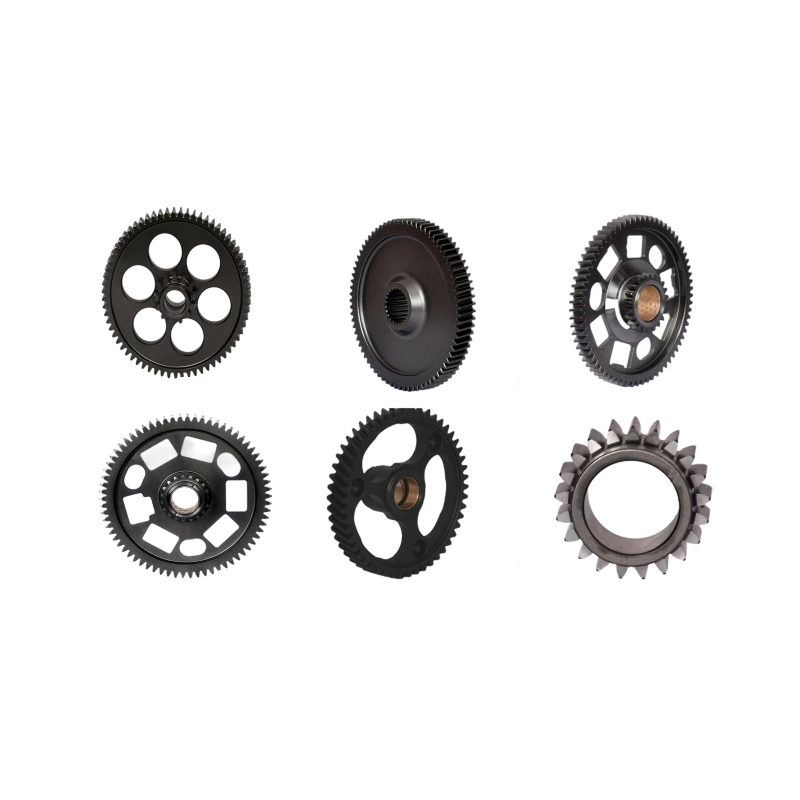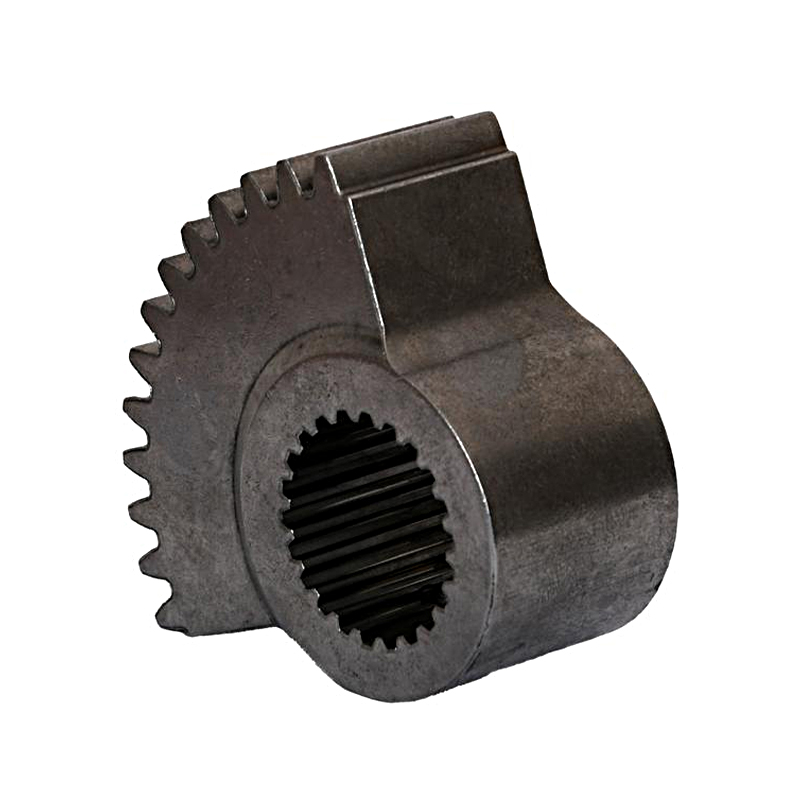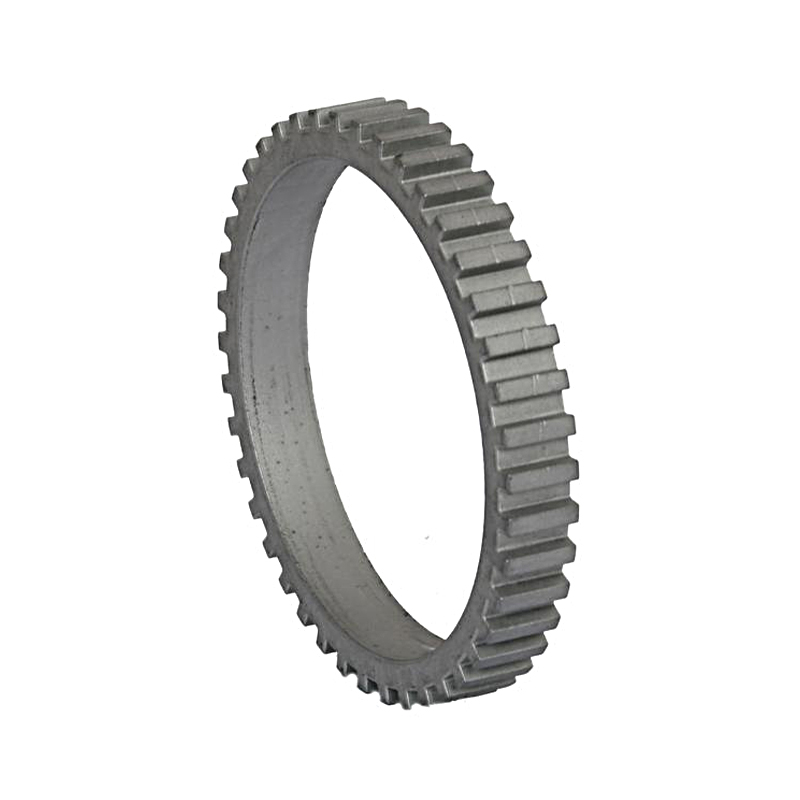
In the precision transmission systems of automotive gearboxes, motorcycle engines, power tools, and household appliances, gears, as core power transmission components, directly determine the efficiency, noise, and lifespan of the entire machine.
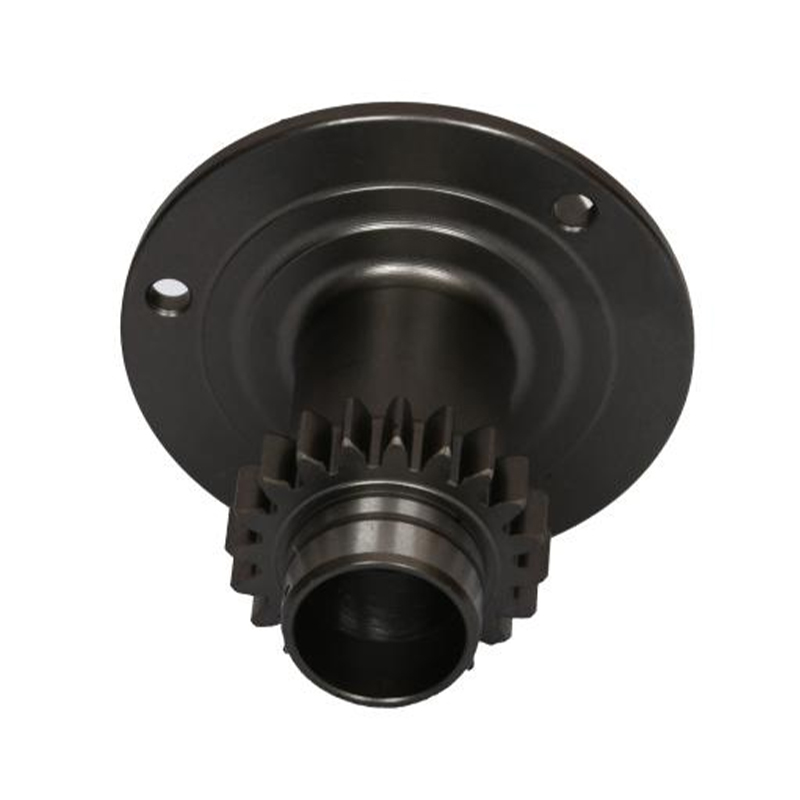
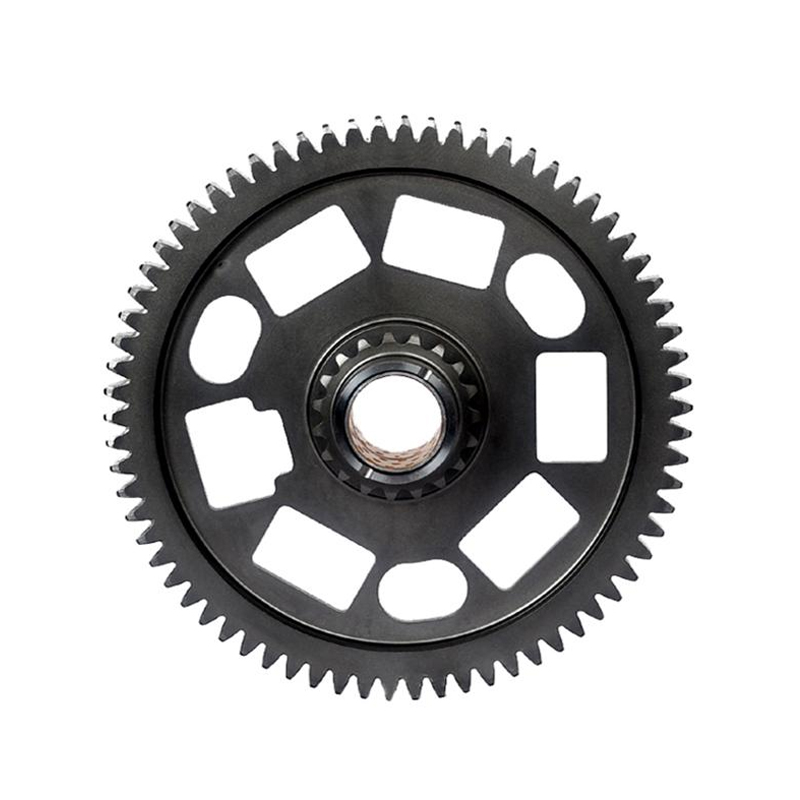
The driving gear for the clutch of the motorbike is a model of "rigidity and flexibility" in mechanical engineering. It neither blindly pursues rigid force transmission nor simply emphasizes smooth engagement, but seeks the optimal solution between power
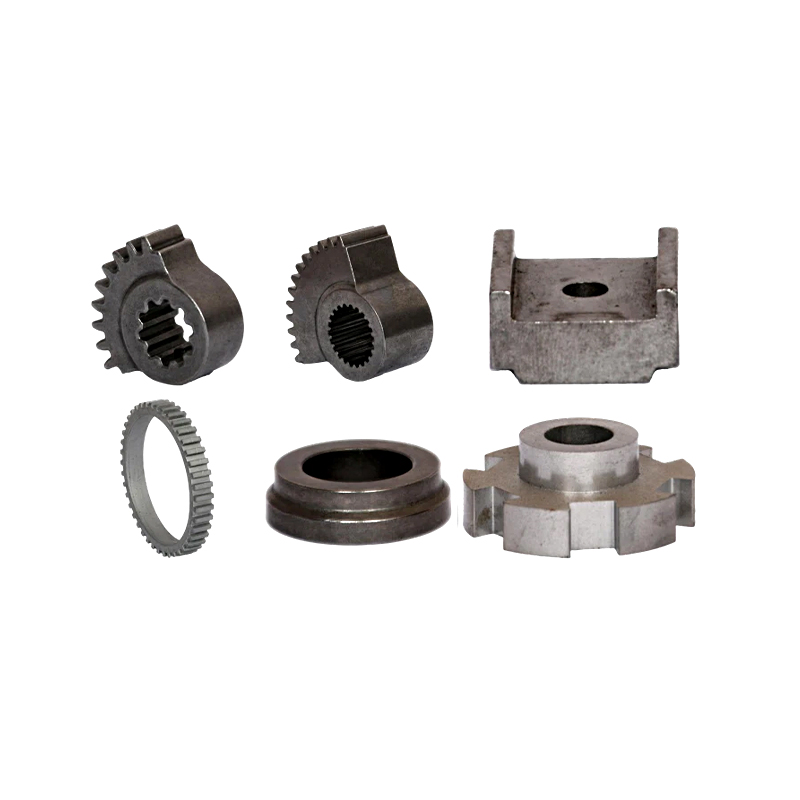
Powder metallurgy gears, with their near-net-shape advantages, have become the mainstream choice. The key challenge lies in overcoming the fatigue sensitivity caused by their porous structure.
Powder metallurgy gears are prone to surface decarburization due to oxidation during heat treatment, which reduces their wear resistance and fatigue strength.
During the sintering process, powder particles achieve densification through atomic diffusion, and particle size distribution directly affects the diffusion path and rate.
Powder metallurgy gear products excel in these demanding conditions thanks to their unique material properties and manufacturing processes, achieving a perfect balance between efficient power transmission and precise control.